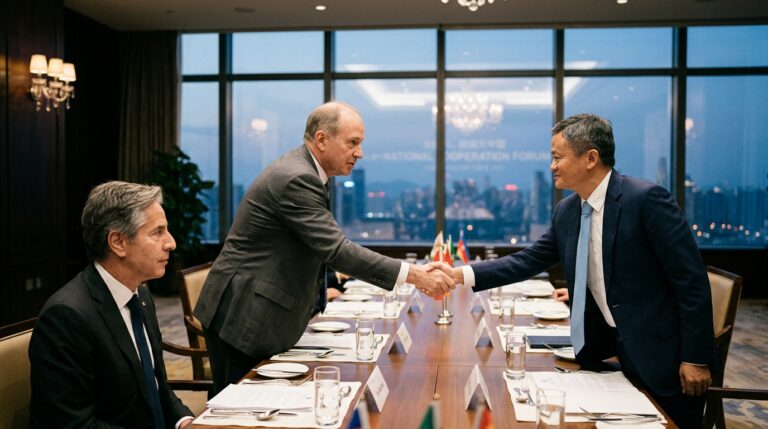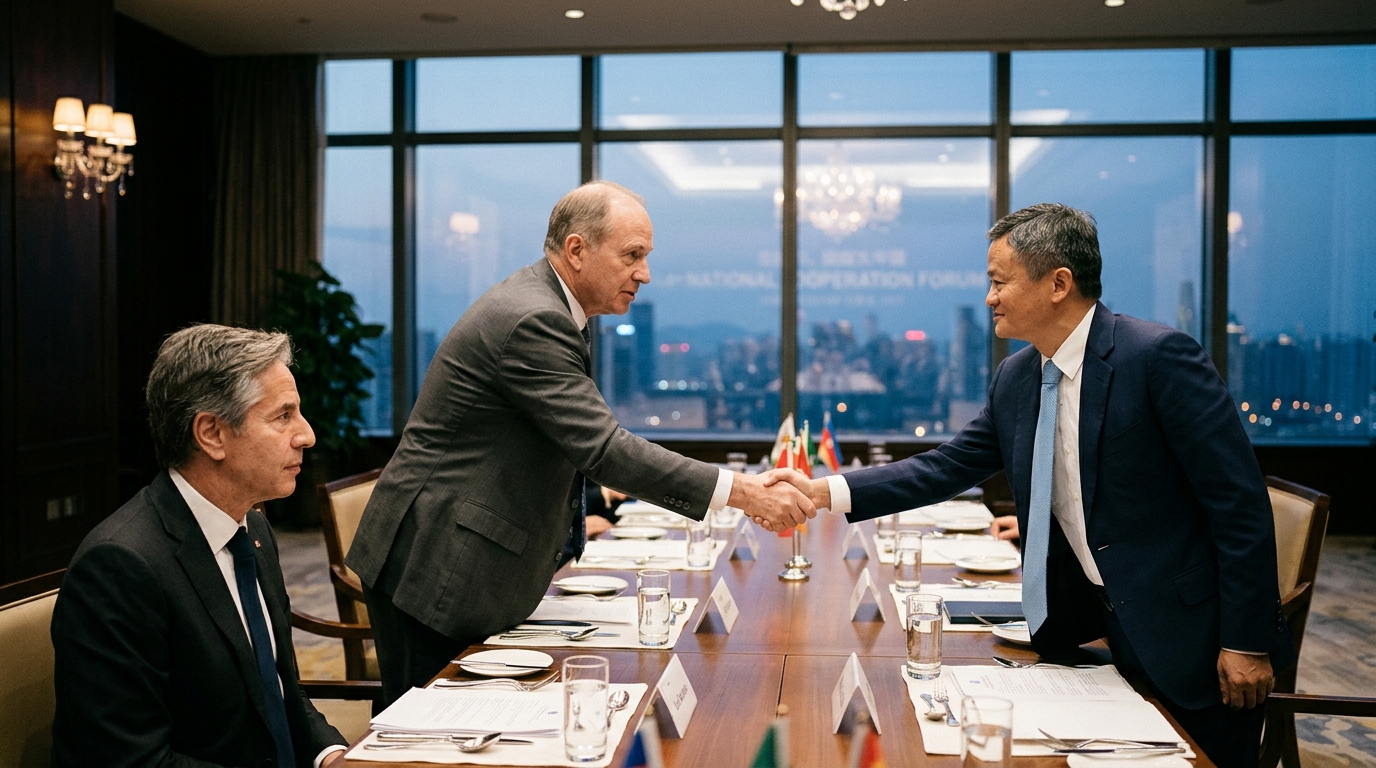
The headline out of Shenzhen was history: Trump, Xi, and Putin seated at one table for the first time. The oil market’s response was more instructive than the photograph. Brent rose to about $92.67 per barrel on Thursday, still lodged in the same tight range it has held this month, unable to push meaningfully higher despite a room full of the world’s most consequential leaders and an active conflict over the world’s most important oil chokepoint.
That restraint has a structural explanation. Brent peaked at $117.64 on October 30, near the height of fears over the Iran war, and is now down more than 21% from that level. The October premium was built on two things: physical disruption to Hormuz traffic and the possibility that Washington and Beijing might clash over how to handle it. Both are now actively unwinding.
What the Shenzhen Statement Actually Does
In Shenzhen, Trump said the leaders share an interest in keeping oil moving through the Strait of Hormuz. Read in isolation, that sounds bullish for supply security. In context, it seals the exit from the scenario that had been adding a meaningful diplomatic layer to the market’s Iran war premium since late September.
The more interesting number is on the supply side. The IEA has said it expects the global oil market to be oversupplied in the current quarter for the first time since the start of the Iran war. And while flows remain disrupted, the adaptation is visible in shipping data: Kpler’s preliminary estimates this week put oil coming out of the region by all available routes at about 15 million barrels a day, or around 64% of prewar flows, down from about 97% in October. The Shenzhen joint statement confirms that neither of the two largest crude importers on earth has an incentive to let disruptions become policy.
US crude inventories rose 3.4 million barrels in the week to November 13. That is the mechanical confirmation of what the IEA’s macro view implied: supply is arriving faster than demand can absorb it.
Where the Risk Premium Now Lives
None of this means Brent collapses from here. A bull case to $96 still exists if mines or attacks force a real cut in Gulf exports, or if OPEC+ signals restraint before its November 29 meeting. Those scenarios remain live. What Shenzhen removes is the diplomatic risk premium, the portion of the price that rested on the possibility that Washington and Beijing were on opposite sides of the Hormuz question.
The range itself has equity implications. US producers with high operational leverage to crude prices face a different risk-reward calculus when the war premium compresses toward the $90 floor.
They are not. That was the signal markets were waiting to confirm, and it arrived this morning in Shenzhen rather than through a formal treaty or ceasefire.
Farm Goods: The Harder Deliverable
The oil statement was crisp. The agriculture ask was not. Trump pushed Xi to buy more American farm goods, saying: “I’ll be asking you to do some more for our farmers.” The ask matters for ADM and the broader grain complex, but the track record here is poor. Analysts have questioned whether Beijing will meet a separate pledge tied to additional US farm purchases in 2026, and trade data has shown China’s buying outside soybeans has been comparatively weak this year. Trump pressing Xi at Shenzhen is a political signal to Midwest voters, not a contract.
What to Watch Next
The price levels that matter: Brent holding above $90 suggests the market is treating the surplus as manageable but hedged against renewed physical disruption. A break below $88 would signal the war premium is draining faster than the fundamental supply story justifies. OPEC+ ministers meet on November 29, and any shift in production guidance will carry more weight for the next leg than anything said in Shenzhen. On the farm side, USDA weekly export sales data in the coming fortnight will show whether China’s state buyers followed Trump’s ask with purchase orders, or filed it alongside every prior commitment that arrived with a handshake and left with a footnote.