Six months ago, gold was threatening $5,600 an ounce. Silver had just posted its worst single-day crash since 1980. The entire precious metals complex looked like it was breaking down permanently.
Now gold is sitting near $4,000, down roughly 6.9% year-to-date after that historic January surge. Precious metals have had a wild 2026. Gold surged above $5,600 per ounce in late January, nearly 30% above where it started the year, before a prolonged sell-off driven by a stronger dollar, the Fed’s hawkish stance, and progress in U.S.-Iran peace negotiations, which reduced geopolitical safe-haven demand. Gold is now down about 6.9% for the year after its historic 66% gain in 2025.
Most of the financial media is treating this as a simple story: hawkish Fed, strong dollar, geopolitical risk premium fades. Gold goes down. End of analysis.
What’s interesting is that it is a lot more complicated than that.
Walk through what actually happened.
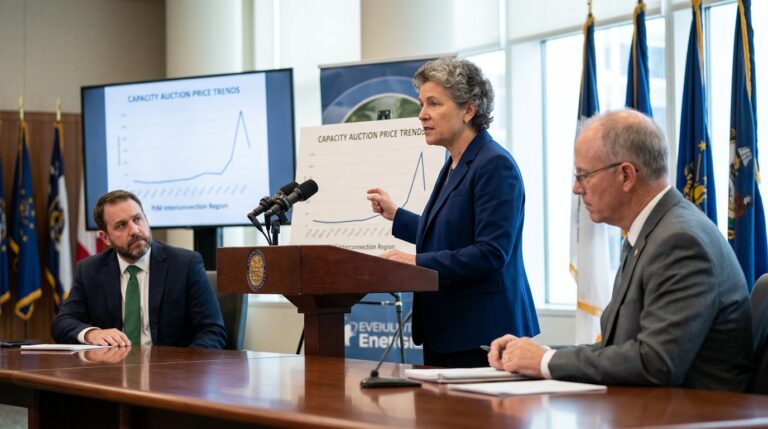
The immediate trigger for the selloff was President Donald Trump’s nomination of Kevin Warsh to replace Jerome Powell as Chairman of the Federal Reserve. Warsh is viewed as a monetary hawk known for advocating central bank independence and warning against inflation risks. His nomination signaled a pivot toward tighter monetary policy and reduced balance sheet expansion, effectively reversing the debasement trade that had fueled the rally throughout 2025.
Then the Fed confirmed it. The dominant catalyst at the June meeting was the FOMC’s removal of its projected 2026 rate cut from the updated dot plot. Nine officials now forecast at least one rate hike in 2026. Chairman Warsh held rates unchanged at 3.50% to 3.75% but raised inflation forecasts, removed the committee’s easing bias from the policy statement, and signaled that monetary conditions will remain restrictive for longer than markets had anticipated.
The result: an unexpectedly hawkish Fed meeting boosted expectations for a year-end interest rate hike, further pressuring gold prices. Wall Street also changed its tune on gold, with several banks downgrading their price forecasts following Warsh’s first meeting.
Bank of America’s previous $6,000 target looks unlikely now because the inflation backdrop remains uncomfortable, likely driving tighter monetary policy. Deutsche Bank revised its price target to $4,300 in Q3 if the Fed stays on hold, while outlining the risk that three to four Fed hikes could take gold as low as $3,800 an ounce.
Here is where it gets interesting. The case that gold is broken assumes the Warsh Fed will actually hike multiple times. That assumption has not been tested.
The Fed’s June projections showed median expectations for one to two rate hikes in 2026, a shift from earlier expectations for rate cuts before energy prices rose after the onset of the U.S.-Iran conflict. Markets now lean toward the Fed increasing rates this year, but inflation, oil prices and labor market conditions can shift the outlook.
Slight tangent: the Iran ceasefire just signed is fragile. A geopolitical premium is likely to persist given the deep mistrust among all parties and the significant drawdown of commercial and strategic inventories. Returning to pre-war pricing will require not only the restoration of disrupted supply but renewed expectations of oversupply.
If the MOU falls apart, energy prices spike again. Inflation re-accelerates. The Fed can’t hike into a stagflationary shock. And suddenly the debasement trade has its legs back.
That is not the base case. But it is a real scenario that options markets are not fully pricing.
The drivers from 2025 remain intact: ongoing U.S. policy uncertainty, persistent concerns about the dollar’s long-term outlook, elevated geopolitical risks, and stretched equity valuations. None of those have been resolved. They have just been temporarily overshadowed by a hawkish Fed pivot and a ceasefire that may or may not hold.
A change in the longer-term case for real assets is not supported. If anything, the speed of the move underscores how crowded hedges can become, and why forced selling often creates entry points. Gold and silver look more like a medium-term buying opportunity than a broken story, especially with fiscal pressures unresolved and global politics still volatile.
The trade is not chasing gold higher today. The trade is understanding the conditions under which the next leg moves, and positioning before those conditions materialize. Gold mining equities are already priced for $3,800 gold in some cases. If $4,300 holds as a floor, the leverage on those names is significant.
For options traders: IV on GLD has compressed meaningfully from its January peak. Low IV into a macro catalyst cluster, which includes Thursday’s jobs report and the ongoing Iran negotiation timeline, is historically where defined-risk long structures offer asymmetric payoff. A call spread or risk reversal structure on GLD or SLV lets you participate in a mean-reversion scenario without full directional risk into a genuinely uncertain macro environment.
The consensus has fully capitulated on gold. That tends to be when the more interesting setups emerge.