Hi Trader,
Here’s something many traders overlook…
Time is one of the most important parts of an options trading strategy.
And understanding how to use it could change the way you approach the market.
That’s the idea behind a weekly trading technique Dave Aquino is sharing in his new FREE guide.
Dave spent more than 25 years at Merrill Lynch and Vanguard.
Now he’s breaking down the principles behind this approach in plain English.
Inside Rapid Retirement! you’ll learn:
The four principles Dave uses to evaluate trades
Which side of a trade gives you a distinct mathematical edge
Why this approach can be used in up, down, and sideways markets
The goal?
Help you understand a different approach to trading…
One that could let you accelerate your retirement timeline.
No complicated Wall Street jargon required.
Click here to get Dave Aquino’s FREE Rapid Retirement guide.
To your trading success,
Drew Day
Founder, Base Camp Trading
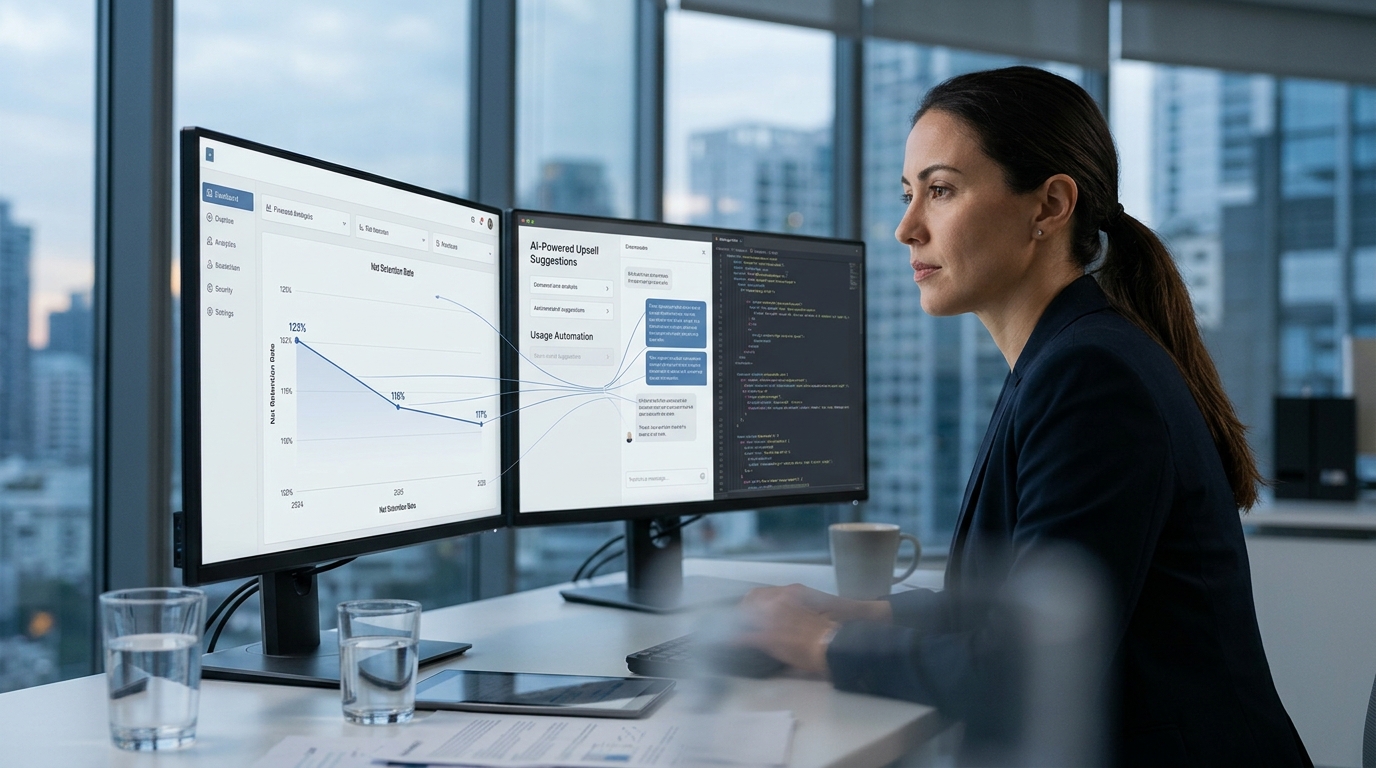
GitLab’s Net Retention Is Sliding. Can AI Fix That?
Revenue growth is easy to find at GitLab. The harder question is whether existing customers are spending more each year, and right now the answer is a qualified no.
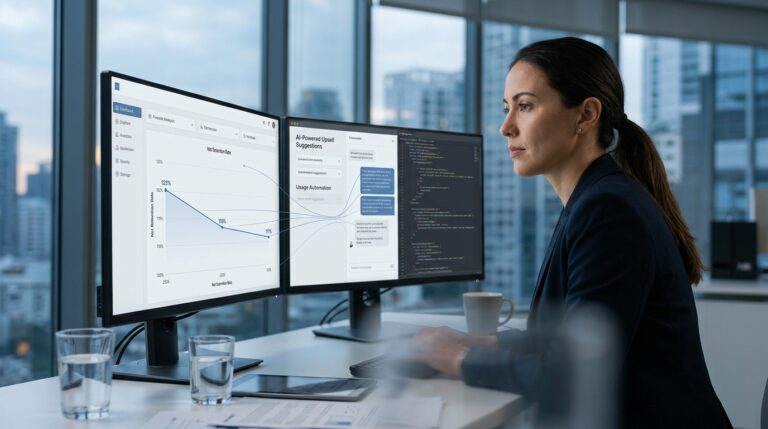
The number to watch is dollar-based net retention rate. As of January 31, 2026, GitLab’s DBNRR stood at 118%, down from 123% a year earlier. By July 31, 2026, that figure had slipped further to 117%. Two straight years of compression in a metric that tells you whether the platform is genuinely deepening inside enterprise accounts. That compression has not stopped the top line from growing, but it is exactly the kind of slow leak that tends to widen before it closes.
The revenue figures themselves remain credible. Total revenue for the quarter ending July 31, 2026 reached $286.3 million, up 21% year over year. Customers with more than $100,000 in ARR grew to 1,571 from 1,344 a year earlier. Those are real numbers reflecting real enterprise adoption.
But the stock has priced in a recovery story that the retention data has not yet confirmed. GTLB has gained sharply from its spring 2026 lows, but the exact percentage depends on which day you mark as the bottom.
The AI product case is legitimate. In late April 2026, GitLab announced a deepened integration of its Duo Agent Platform with Anthropic’s Claude models, including access via Amazon Bedrock, positioning the offering inside existing governance and data residency frameworks. The most recent earnings call noted that deals over $500,000 grew more than 150% year over year, with management tying large-deal momentum to platform expansion that includes AI and new consumption products. That is a meaningful signal from the top of the customer base.
The consumption angle matters here. Vendors shifting from per-seat to consumption pricing are capturing AI-driven expansion that seat-based models structurally cannot.
Rather than replacing DevSecOps platforms, AI increases their importance by demanding tighter governance and automated controls, which is precisely the problem GitLab is built to solve. When a large enterprise deploys AI agents to write code, it needs a platform that can test, scan, review, and deploy that output at scale without fragmenting across separate tools. That is GitLab’s core argument, and it is not wrong.
The counterpoint is competitive pressure. Microsoft-owned GitHub, Atlassian, and other DevSecOps vendors have weighed on investor sentiment despite GitLab’s continued enterprise customer growth. GitHub Copilot’s integration into the Microsoft 365 ecosystem gives it a natural distribution advantage with the same Fortune 500 accounts GitLab is targeting.
The same enterprise AI adoption question runs through adjacent platforms. Datadog’s consumption billing offers the clearest real-time signal of whether AI workloads are actually running at scale inside enterprise accounts.
GitLab reports fiscal Q3 results in early December 2026, but the company has not yet announced the exact date. The consensus EPS forecast is $0.20. Watch the DBNRR figure closely. If it stabilizes or ticks back toward 118%, it validates the AI-driven expansion thesis. If it falls again, the rally from the 2026 lows looks premature.